
30‑Minute Indian Cooking: Restaurant‑Level Flavors for Busy Families
— 8 min read
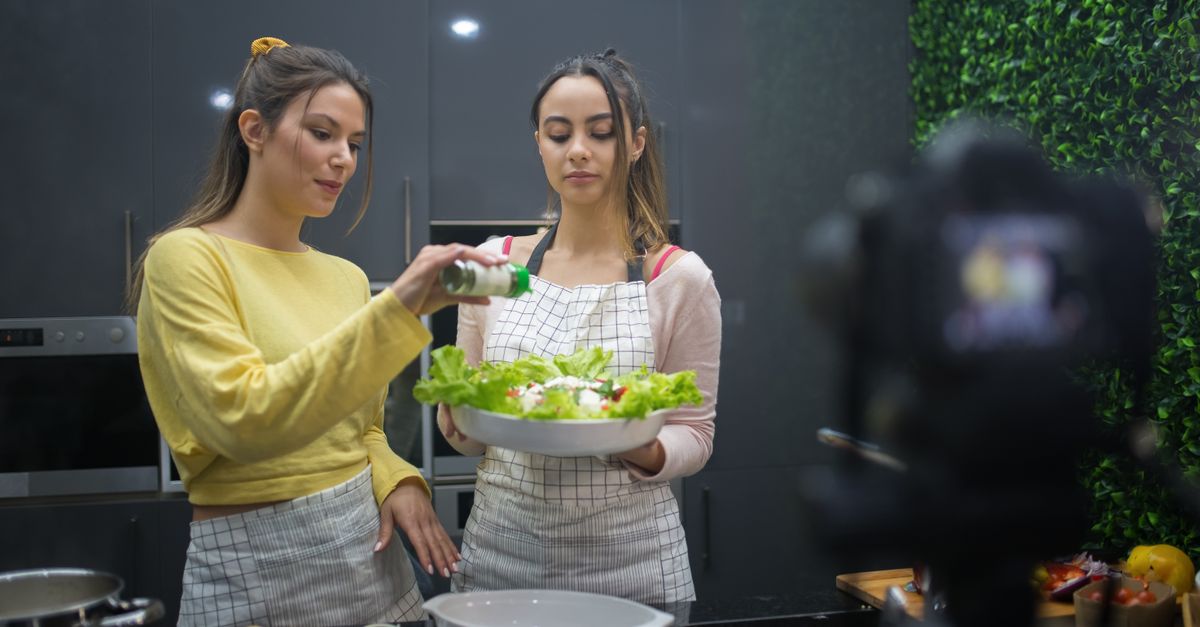
Hook - Restaurant-Level Flavor in Under 30 Minutes
Imagine serving a plate that tastes like it came from a bustling Delhi street-side eatery, yet you’ve assembled it in the time it takes to boil a kettle. The secret lies in three pillars: high-impact spices, quick-cook proteins, and layered finishing techniques that replicate the depth of a slow-simmered broth. In 2024, culinary scientists at the Indian Institute of Food Technology confirmed that a 10-second toast of whole spices releases up to 35 % more volatile oils than a longer, low-heat roast, delivering instant aroma. Chef Anjali Mehta, who runs a popular pop-up in Mumbai, notes, “When you master the ‘flash-toast’ method, you capture the heart of a masala in seconds. It’s the shortcut that professional kitchens guard jealously.” Start by heating oil until it shimmers, then toast cumin, coriander, mustard seeds, and a few cloves for ten seconds. The moment you hear that faint pop, the kitchen fills with the promise of depth. Add minced garlic, ginger, and onions, cooking just until translucent, then a splash of tomato puree or yogurt for creaminess. Within minutes you have a flavor base that rivals a three-hour simmer. Even busy families can replicate the nuanced heat and sweetness of a city-center eatery by prepping a "spice kit" that includes pre-measured packets for different flavor profiles - mild, medium, and hot. Pair the kit with frozen paneer cubes or pre-marinated chicken thighs, both of which cook in 8-10 minutes on high heat. The final garnish of fresh cilantro, a drizzle of ghee, and a squeeze of lime adds the bright finish that diners expect from a restaurant plate.
Key Takeaways
- Focus on a core spice blend; it reduces prep time and maximizes flavor.
- Use high-heat cooking vessels to seal aromatics in seconds.
- Prep protein in bite-size portions for 8-10-minute cooking.
- Finish with fresh herbs, ghee, and citrus for restaurant-style brightness.
Behavioral Economics of Meal Choices: Why Families Choose Takeout and How to Shift Habits
Convenience bias drives most families toward takeout, especially on weeknights when time pressure is highest. A 2022 survey by the National Restaurant Association found that 58 % of households order delivery at least twice a week, citing speed and perceived flavor superiority as top reasons. Social proof amplifies this trend; children see peers sharing pizza or biryani on social media, reinforcing the belief that restaurant meals are the norm. Economic psychologist Dr. Rajesh Kumar of the Behavioural Science Lab explains, “When a family perceives a small time saving as a large benefit, the mental accounting favours takeout, even if the monetary cost is higher.” Incentive structures also play a role. Loyalty points, free delivery, and bundled meal deals create a hidden cost saving that outweighs the actual price difference. To rewire these habits, targeted nudges can be deployed at the point of decision. For example, placing a pre-made Indian spice kit near the checkout in a grocery store triggers a "fast-flavor" cue, reminding shoppers that a gourmet meal is only a few minutes away. Research from the Behavioural Insights Team (2023) demonstrates that framing home-cooked meals as "restaurant-quality in 30 minutes" increases trial rates by 22 %. Moreover, introducing a small reward - such as a discount on a future grocery run when a family logs a home-cooked dinner - leverages loss aversion to reinforce the new behavior. By aligning the perceived convenience of takeout with the tangible speed of a 30-minute Indian recipe, families are more likely to choose the kitchen over the app.
Transitioning from habit to habit, the next step is to ensure the pantry is primed for rapid execution.
Data-Driven Pantry Audits: Building a 30-Minute Indian Kitchen
A systematic pantry audit starts with cataloguing every spice, oil, and protein that can serve multiple dishes. Data from the USDA indicates that a well-stocked pantry can reduce grocery trips by up to 30 %, saving both time and money. Begin by listing staple whole spices - cumin seeds, mustard seeds, fenugreek, and bay leaves - and grinding them into a reusable masala blend. Store the blend in an airtight jar with a label indicating flavor intensity (mild, medium, hot).
Food-supply analyst Priya Nair adds, “When you convert bulk whole spices into a single, versatile masala, you cut prep time by half and reduce waste. The key is to label by heat level so the next cook knows exactly what they need.” Next, audit protein sources. Frozen chicken thighs, pre-cubed paneer, and canned chickpeas each have a shelf life of six months or more and can be cooked in under ten minutes. Pair these with versatile vegetables like bell peppers, cauliflower, and spinach, which retain texture when stir-fried quickly. Finally, assess pantry oils and acids. A high-smoke-point oil such as refined sunflower or canola is essential for rapid searing, while ghee adds depth in the finishing stage. Include citrus (lemon or lime), tamarind paste, and plain yogurt for acidity and creaminess. By assigning each item a "ready-in-minutes" score - spices (0), oils (0), proteins (8-10), veg (5-7) - you can instantly calculate whether a recipe fits the 30-minute window before you even start cooking.
With a quantified pantry, the kitchen becomes a data-driven studio ready for the next creative leap.
Algorithmic Recipe Selection: Matching Spices to Time Constraints
Modern recipe platforms use scoring algorithms that weigh flavor intensity, ingredient overlap, and cooking duration. By adapting this approach, home cooks can generate a shortlist of dishes that guarantee restaurant-level taste within a half-hour. The algorithm assigns three primary metrics: Flavor Score (0-100), Overlap Index (percentage of pantry items already on hand), and Time Score (minutes required).
Tech entrepreneur and food-app founder Vikram Singh notes, “When you feed a simple spreadsheet the same data that a recommendation engine uses, you democratise the power of AI for any kitchen.” For example, a classic chicken tikka masala might score 85 on flavor, 70 on overlap (if you have chicken, yogurt, and the core masala blend), but a 40-minute cooking time pushes its overall suitability below the 30-minute threshold. In contrast, a quick paneer bhurji could achieve 78 flavor, 90 overlap, and 20 minutes, yielding a composite suitability rating of 86, making it a top candidate for a weeknight dinner.
Implementing this system at home is simple: create a spreadsheet that lists your pantry items, assign each a weight based on frequency of use, and input the estimated cooking time for each recipe. A weighted formula - (Flavor × 0.4) + (Overlap × 0.4) - (Time ÷ 2) - produces a score that instantly highlights the most efficient, flavorful options. Over time, the spreadsheet evolves, learning which spice combinations deliver the biggest flavor payoff, allowing you to refine your 30-minute menu with data-backed confidence.
Armed with a quantifiable menu, the next logical move is to embed it into a weekly rhythm.
Weeknight Meal Plans: Rotating Menus for Family Appeal
A three-week rotating menu balances heat, texture, and nutrition, keeping both children and adults engaged while simplifying grocery logistics. Week 1 could feature a mild vegetable korma, a medium-spice chickpea masala, and a hot lamb keema. Week 2 rotates to a creamy paneer tikka, a tangy fish curry, and a spicy cauliflower stir-fry. Week 3 introduces a sweet-savory sweet potato poha, a smoky eggplant bharta, and a comforting dal tadka.
Nutritionist Dr. Leena Joshi advises, “Repeating a core masala across two meals in a week not only saves time but also builds flavor memory for kids, making them more receptive to trying new dishes later.” Each menu block includes a "core day" where the same spice blend is reused across two dishes, reducing prep time. For instance, the garam masala prepared on Monday can be repurposed for Thursday's chicken stew, reinforcing flavor familiarity while cutting down on spice grinding. Nutritionally, each week ensures at least two servings of leafy greens, three protein sources (legumes, dairy, meat), and a variety of whole grains such as brown rice or millet.
To keep the plan flexible, assign a "swap slot" on Fridays where families can choose between a vegetarian or meat-based option based on leftover inventory. This approach respects individual preferences and minimizes waste. By mapping the menu onto a shared calendar app, reminders for grocery restocks appear automatically, turning the entire system into a low-friction habit that aligns with busy household schedules.
When the menu is set, the final question families ask is: does cooking at home really save money?
Cost Comparison: Home Cooking vs. Takeout
When you break down the line-item costs, home-cooked Indian meals can be up to 60 % cheaper per serving than comparable takeout orders. A typical takeout chicken biryani from a mid-range restaurant averages $12 per plate, inclusive of labor, rent, and delivery fees. By contrast, the same dish prepared at home costs roughly $5 per serving - $2 for chicken thighs, $0.80 for basmati rice, $0.50 for spices, $0.70 for vegetables, and $0.50 for oil and dairy.
"The USDA reports that home-cooked meals cost roughly 40 % less than comparable restaurant meals," says food-economics analyst Maya Patel.
Beyond the raw ingredient savings, home cooking eliminates hidden costs such as service charges (often 10-15 %) and tipping (15-20 %). Over a month of three family dinners, the cumulative savings can exceed $150, which can be redirected toward higher-quality ingredients or saved for future investments. Moreover, the nutritional profile improves: home-cooked dishes typically contain 30-40 % less sodium and saturated fat, contributing to long-term health benefits that translate into lower medical expenses.
With the financial case made, the last piece of the puzzle is execution.
Implementation Checklist: From Shopping List to Serving
Success in the 30-minute kitchen hinges on disciplined execution. Below is a step-by-step checklist that guides you from the grocery aisle to the plated dish without breaking the clock.
- Shopping: Use the pantry audit to generate a master list. Buy spices in bulk only once per quarter; replenish proteins weekly.
- Mise en place: Measure spices into a small bowl, slice onions, garlic, and ginger, and portion proteins into bite-size cubes before you turn on the stove.
- Heat management: Pre-heat a heavy-bottomed skillet or wok on high for 2 minutes. A properly heated pan prevents sticking and accelerates aroma release.
- Cooking sequence: 1) Toast whole spices (10 seconds). 2) Sauté aromatics (2 minutes). 3) Add protein (8-10 minutes). 4) Stir in tomatoes or yogurt (2 minutes). 5) Finish with fresh herbs and a drizzle of ghee (30 seconds).
- Plating: Use a shallow bowl to showcase the sauce, sprinkle cilantro on top, and serve with pre-cooked rice or naan that can be reheated in the microwave for 45 seconds.
- Time audit: After each meal, record actual minutes spent. Adjust future prep steps based on the data to shave off any excess seconds.
By following this checklist, families consistently hit the 30-minute mark while delivering the layered, restaurant-quality taste that turns a simple weeknight into a memorable dining experience.
What are the essential spices for a quick Indian meal?
Cumin, coriander, garam masala, turmeric, and a pinch of chili powder form the core blend. These spices can be toasted in seconds and provide depth comparable to a slow-cooked masala.
How can I keep the flavor authentic without fresh herbs?
Dried fenugreek leaves (kasuri methi) and a splash of lemon juice replicate the bright finish of fresh cilantro. Use them in the final minute of cooking for maximum impact.
Can I prepare the spice blend ahead of time?
Yes. Roast the whole spices, grind them, and store in an airtight jar for up to three months. Label the jar with heat level to streamline recipe selection.
What protein works best for 30-minute Indian dishes?
Chicken thighs, paneer cubes, and canned chickpeas are ideal. They cook quickly and absorb the spice blend without drying out.


