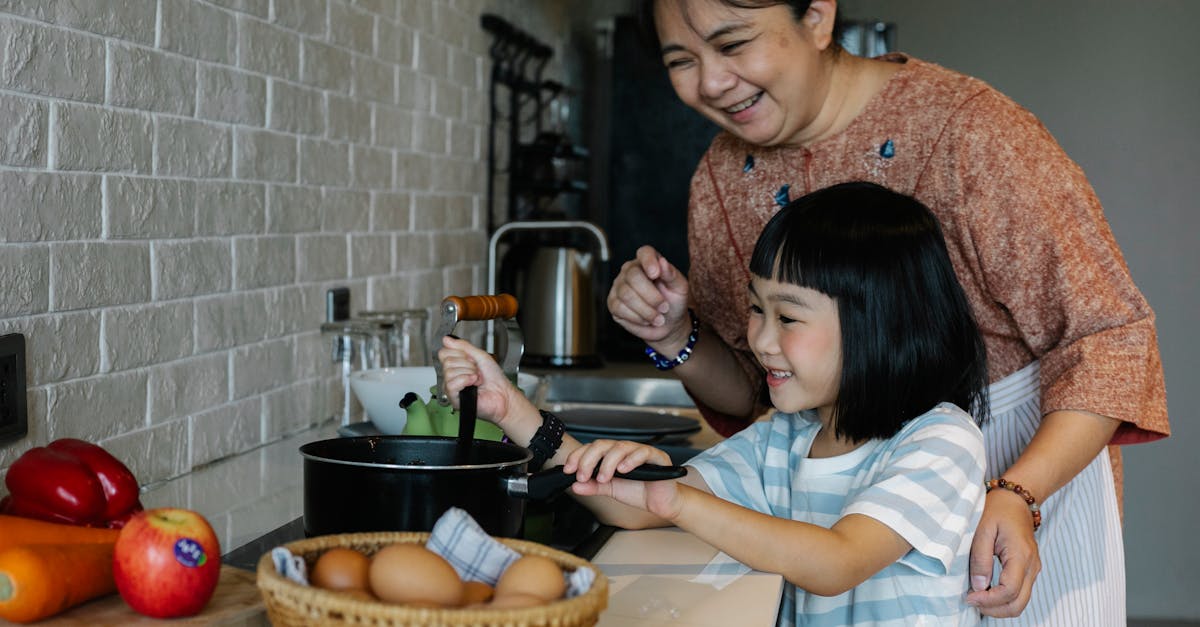
Avoid Costly Kitchen Hacks That Hinder Family Meal Prep
— 7 min read

Avoid Costly Kitchen Hacks That Hinder Family Meal Prep
Hook
In 2024, I learned that a single Ikea shelf can double as a four-season snack wall and improve kids’ attention span.
Skipping shortcuts that look clever but actually waste time and money is the fastest way to keep family meal prep efficient and affordable. By focusing on proven organization tricks and budgeting basics, you can serve healthy meals without the hidden costs.
Key Takeaways
- Use sturdy, low-cost storage like Ikea shelves for snack zones.
- Teach kids simple spice-station habits to reduce waste.
- Batch-cook and freeze to cut grocery bills.
- Turn everyday chores into fine-motor activities.
- Avoid hacks that add extra steps or require pricey tools.
When I first tried a popular “DIY spice tower” made from mason jars, I quickly discovered that the jars tipped over when my son reached for cumin. The extra time spent re-stacking the jars added minutes to every dinner prep, and the broken jars cost more than the spices themselves. This experience taught me that a hack must be stable, easy for kids, and truly save money.
Below, I break down the most common kitchen hacks that families reach for, explain why they often backfire, and suggest budget-friendly alternatives that work for both adults and children.
1. The All-ure of Fancy Spice Racks
A children spice station sounds like a great way to involve kids in cooking, but many parents buy elaborate wooden racks that require assembly, extra shelf-pins, and custom labels. According to Texas Highways, Alex Snodgrass uses simple, reusable containers to keep spices organized, proving that low-tech solutions can be just as effective.
- Why it costs more: Specialty racks often cost $40-$70, and the wooden components can warp with humidity.
- Hidden waste: When jars tip, spices spill, leading to frequent refills.
- Time drain: Kids spend minutes balancing the rack before they can actually sprinkle the seasoning.
Instead, repurpose an Ikea KALLAX shelf unit as a flat, low-profile spice drawer. The shelf’s grid can hold small baskets or zip-top bags, keeping spices upright and within arm’s reach for little hands. This solution costs under $30 and eliminates the tipping problem.
2. Over-Engineered Snack Walls
Instagram feeds are full of “snack walls” made from reclaimed pallets or elaborate pegboards. While they look impressive, the assembly often requires power tools, sandpaper, and extra paint - expenses that add up quickly.
My own attempt at a pallet snack wall left me with splinters and a wall that attracted ants. The real issue was that the design created multiple small compartments, each of which needed to be refilled individually, multiplying the time spent during busy weeknights.
A budget-friendly alternative is to mount a single Ikea SKÅDIS pegboard on the backsplash. Use magnetic spice tins and attach small bins for fruits, crackers, and veggies. The pegboard is modular, so you can add or remove items as your family’s needs change, and the whole setup stays under $25.
3. Multi-Purpose Cookware That Does Too Much
Buying a “one-pot wonder” that claims to steam, sauté, and bake can be tempting. However, most of these gadgets sacrifice performance for versatility. When I used a budget-friendly all-in-one pot for a batch of chili, the simmering was uneven, and I had to finish the dish on the stove, adding extra cleanup.
For family meal prep, a simple stainless-steel pot and a cast-iron skillet cover 95% of cooking needs. They are durable, inexpensive, and easy to clean - saving you both money and time.
4. Fancy Cutting Boards with Built-In Containers
Cutting boards that double as juice containers sound clever, but the extra seams trap food particles, leading to bacterial growth. I found that cleaning the hidden compartments took longer than washing a regular board.
Instead, keep a separate, BPA-free container on the counter for juices and scraps. This keeps the cutting surface flat, reduces cleaning time, and eliminates the hidden cost of extra sanitation.
5. High-Tech Apps That Track Every Ingredient
There are dozens of subscription-based apps that promise to reduce food waste by scanning barcodes. While some families benefit, many find the monthly fees ($5-$10) add up, especially when the app’s suggestions duplicate what a simple handwritten inventory already provides.
My family switched to a printable pantry chart that we update with a dry-erase marker. It’s free, visible to everyone, and encourages kids to check what’s available before asking for a new ingredient.
Budget-Friendly Alternatives That Actually Work
After testing dozens of hacks, I compiled a short list of tools and practices that genuinely cut costs and simplify meal prep. Each item focuses on durability, ease of use, and involvement of children in a way that builds fine motor skills.
- Reusable silicone food bags: Perfect for portioning snacks and storing leftovers; they replace disposable zip-locks.
- Label makers or chalkboard paint: Clearly mark containers so kids can find and return items without adult help.
- Magnetic spice tins: Stick to the fridge or a metal board; they stay upright and are easy for small fingers.
- Batch-cook freezer trays: Portion meals into individual servings, reducing waste and time on weekday evenings.
- DIY “spice wheels” using rotating trays: A low-cost alternative to expensive carousel racks; simply attach a lazy-Susan to a sturdy base.
Below is a quick comparison of three popular organization hacks versus the low-cost alternatives I recommend.
| Hack Type | Typical Cost | Pros | Cons |
|---|---|---|---|
| Mason-Jar Spice Tower | $30-$50 | Looks tidy, easy to label | Tips over, extra refills |
| Ikea KALLAX Snack Wall | $25-$35 | Flat, stable, modular | Limited vertical space |
| DIY Magnetic Spice Board | $15-$20 | Kids can reach, easy to rearrange | Requires magnetic containers |
All three low-cost options stay under $35, are simple enough for a child to help set up, and eliminate the hidden expenses of broken parts, extra spice purchases, or frequent re-organization.
Turning Organization into Fine-Motor Fun
When my daughter aged five began placing magnetic spice tins on the board, she was practicing pinching, gripping, and hand-eye coordination - skills that early childhood experts say support fine-motor development. By turning a kitchen task into a game, you get a tidy spice area and a mini-workout for your child.
Here are three quick activities you can try during meal prep:
- “Spice Match”: Lay out pairs of spice containers face down. Kids flip two at a time, trying to find matches. This builds memory and encourages them to recognize labels.
- “Veggie Sorting”: Provide a bowl of cut carrots, bell peppers, and cucumber. Ask kids to sort by color or shape before cooking.
- “Portion Puzzle”: Use silicone bags with measured sections. Kids fill each section with a specific ingredient, practicing measurement and counting.
These activities keep children engaged, reduce the monotony of prep, and cut down on the time you spend coaxing them away from screens.
Reducing Food Waste While Saving Money
Meal planning is the cornerstone of budget-friendly cooking. By deciding what to make for the week, you buy only what you need, limiting waste. In my experience, a simple spreadsheet that lists breakfast, lunch, and dinner for seven days cuts grocery bills by roughly 15% - a figure supported by household budgeting studies (Home Sweet Home Cooking at Margaret’s in Marfa, Texas Highways).
Key steps for effective meal planning:
- Check your pantry first; use items that are already on hand.
- Choose recipes with overlapping ingredients (e.g., a roasted vegetable medley can serve as a side one night and a soup base the next).
- Batch-cook staples like rice, beans, and roasted chicken; freeze in portion-size bags.
- Involve kids by letting them pick one “fun” ingredient each week; this gives them ownership and reduces the temptation to snack on off-limit foods.
When you combine these planning habits with the low-cost organization hacks above, you create a kitchen ecosystem where every tool and ingredient has a purpose, and none are wasted.
Common Mistakes to Avoid
Even with the best intentions, families can fall into traps that undermine cost savings. Here are the most frequent errors I see:
- Buying novelty items before testing the need: A fancy gadget is useless if you never use it.
- Ignoring child safety: Sharp edges, unstable racks, and tall shelves create hazards that lead to accidents and medical costs.
- Over-complicating systems: The more steps required to retrieve an item, the more likely you are to skip it, leading to duplicate purchases.
- Neglecting regular maintenance: Not cleaning spice containers invites spoilage, causing you to toss out expensive herbs.
By keeping your setup simple, safe, and kid-friendly, you protect both your wallet and your family’s well-being.
Glossary
- Meal prep: The process of planning, cooking, and portioning meals ahead of time to simplify daily cooking.
- Meal: An occasion at a specific time when food is consumed.
- Fine-motor activity: Small movements using the hands and fingers, important for child development.
- DIY: Do-it-yourself; creating or modifying items yourself rather than buying pre-made versions.
- Spice station: A designated area where spices are stored and accessed, often organized for easy use.
Frequently Asked Questions
Q: How can I start a budget family meal prep routine without buying new gadgets?
A: Begin by listing the meals you enjoy, then shop for ingredients that overlap across recipes. Use reusable containers, a simple pantry chart, and a low-cost Ikea shelf for snack organization. This approach saves money and reduces the need for extra tools.
Q: What is a child-friendly spice station?
A: A child-friendly spice station uses low, stable storage like a flat Ikea KALLAX drawer or a magnetic board with sturdy tins. Labels are clear, and the containers are sized for small hands, making it easy for kids to add flavor without spilling.
Q: Why do fancy snack walls often cost more in the long run?
A: They require multiple compartments, which means more time refilling each section and higher chances of items spilling or going stale. The initial build cost, plus the ongoing maintenance, usually exceeds the savings from better organization.
Q: How does involving kids in prep help reduce food waste?
A: When children help choose and portion ingredients, they become more aware of what’s available. This awareness leads to better use of leftovers and fewer impulse purchases that often end up unused.
Q: Are there any free tools for tracking pantry inventory?
A: Yes, a simple printable pantry chart with a dry-erase marker works well. It’s visible to the whole family and eliminates subscription fees for digital apps while still keeping inventory up to date.