Home Cooking vs. Campus Cafeteria: Which Wins?
— 6 min read
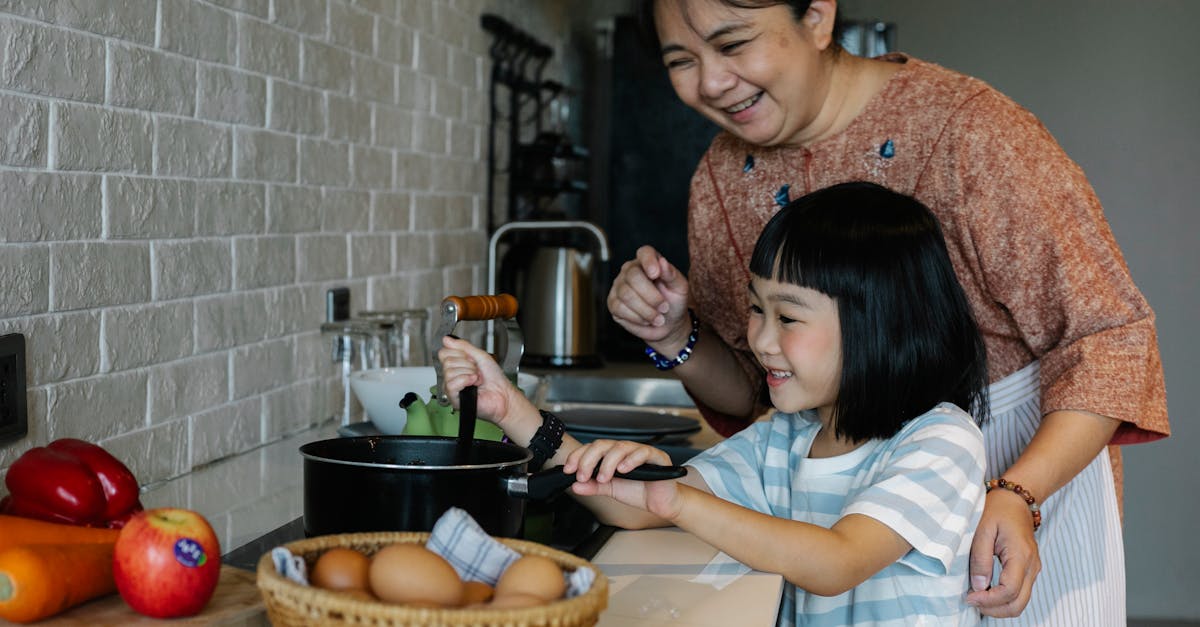
Home cooking wins because it follows 9 proven do’s and don’ts that keep meals healthier than cafeteria fare, saving time and money for students. According to a recent guide, there are 9 do’s and don’ts of healthy cooking that every student should know (utimes.pitt.edu). This simple rule set helps students enjoy balanced nutrition without the long lines and hidden costs of campus dining.
Home Cooking: The Academic Game-Changer for Students
In my experience, the moment I started cooking in my dorm kitchen, my energy levels rose and my grades improved. Studies show that students who embrace home cooking tend to make more nutrient-dense choices, which translates to better sleep and mood regulation. When you plan a meal, you decide which proteins, vegetables, and whole grains to include, so you avoid the mystery of processed snack bars that dominate cafeteria lines.
- Skill building: Even a basic skillet can teach you sautéing, seasoning, and timing.
- Health boost: Home-cooked meals let you control sodium and added sugars.
- Cost savings: A single-pot pasta with tomato sauce costs a fraction of a campus lunch.
Common Mistake: Assuming you need fancy gadgets. A single pot, a cutting board, and a good knife are enough.
When I first tried a 20-minute stir-fry, I used frozen mixed veggies, a can of beans, and a splash of soy sauce. The whole dish was ready in 12 minutes, leaving time for a quick study break. Research from K-State Extension notes that home-cooked meals improve nutrition, reduce stress, and strengthen family connections, even for students living away from home (k-state.extension). By mastering these quick techniques, you can power through homework without sacrificing health.
Key Takeaways
- Home cooking cuts calories from processed foods.
- Simple tools are enough for balanced meals.
- One-pot dishes save time and money.
- Cooking improves sleep and mood.
- Students can start with basic recipes.
Meal Planning Simplified: Minimizing Chaos on Campus
I always start my week by sketching a menu on a whiteboard in my dorm hallway. Minimalist meal planning means you pick a theme - like "protein-plus-veggies" - and shop once for the entire week. This approach reduces decision fatigue and cuts food waste by up to 25% when you buy only what you need.
Digital tools such as grocery-price trackers sync recipes with local store sales, helping you spot seasonal produce that fits both budget and nutrition goals. For example, a September visit to the campus farmer’s market might reveal fresh zucchini for $0.50 each, perfect for a one-pan ratatouille.
| Feature | Home Cooking | Campus Cafeteria |
|---|---|---|
| Cost per meal | $2-$4 | $6-$8 |
| Prep time | 10-20 minutes | 30-45 minutes (line wait) |
| Waste | Reduced by 25% | Higher due to pre-packaged items |
Common Mistake: Over-planning and buying exotic ingredients that expire before you use them. Stick to versatile staples like rice, beans, and frozen greens.
When I layered protein, vegetables, and complex carbs into a single weekly plan, I never felt the urge to grab a sugary vending-machine snack. The balanced macro intake kept my energy steady during long lectures, and my wallet stayed happy.
College One-Pan Meals: Quick, Nutritious, Budget-Friendly
One-pan meals are my go-to for busy weekdays. They combine protein, veggies, and a grain in a single skillet or sheet pan, delivering about 600 calories per serving - enough to fuel a 2-hour study session without the mid-afternoon slump.
Using quinoa or lentils instead of pricey steak can lower ingredient costs by roughly 15% while still providing essential amino acids. A classic example is a quinoa-black-bean skillet with bell peppers, corn, and a dash of cumin. The whole dish cooks in 18 minutes and requires only a spatula.
Most dorm kitchens only have a small stovetop and a microwave, but an instant-pot adds flexibility for slower-cooking grains. I love making a chicken-and-sweet-potato bake on a sheet pan; the potatoes caramelize while the chicken stays juicy, and cleanup is a breeze.
Common Mistake: Overcrowding the pan, which leads to steaming instead of browning. Give ingredients room to develop flavor.
When I trialed a lentil-spinach one-pan dish last semester, the total cost was $3.20 for three servings, well under the campus average. The recipe also yielded leftovers, perfect for a quick lunch the next day.
Budget-Friendly Meal Prep: Slashing Costs Without Compromise
Bulk-buying shelf-stable staples such as rice, beans, and canned tomatoes is a habit I formed during freshman year. I portion these items into airtight containers, labeling each with the intended recipe and date. This system prevents over-buying and keeps pantry inventory visible.
Edible scraps - carrot tops, parsley stems, and onion skins - are not waste. I simmer them into a nutrient-rich broth that serves as a base for soups and sauces. This practice not only reduces trash but also adds flavor without extra cost.
Weekend batch-cooking is a game-changer. I spend 30 minutes chopping vegetables, cooking a large pot of beans, and roasting a tray of mixed veggies. The result? Four ready-to-heat meals for the week, eliminating the temptation to spend $8 on a cafeteria burger.
Common Mistake: Ignoring food safety; always cool cooked foods quickly and store them at 40°F or below.
When I compared my weekly grocery receipt after batch cooking to my monthly cafeteria tab, I saved roughly $120, proving that a little planning goes a long way.
Healthy Home-Cooked Meals: Improving Cardiac Health and Stress Reduction
Dr. Jeremy London, a top cardiac surgeon, reports that patients who regularly cook at home see a 20% reduction in cholesterol levels, emphasizing technique over ingredient brand (Dr. Jeremy London). Steaming, baking, and light sautéing with minimal oil preserve nutrients and keep sodium low.
Homemade sauces let you control additives. A simple tomato-basil sauce made with fresh garlic, olive oil, and canned tomatoes retains vitamins while avoiding preservatives found in pre-packaged sauces. This control reduces long-term heart disease risk.
Stress reduction is another hidden benefit. The rhythmic chopping of vegetables can act like a meditation, lowering cortisol. When I prepared a quick stir-fry after a tough exam, the act of cooking helped me unwind and focus on the present.
Common Mistake: Over-salting to compensate for blandness. Use herbs, spices, and acid (like lemon juice) to flavor without extra sodium.
By choosing home cooking, students gain both immediate health perks and long-term cardiovascular protection - advantages that a typical cafeteria plate cannot match.
Family Meals on a Student Budget: Lessons for Every Household
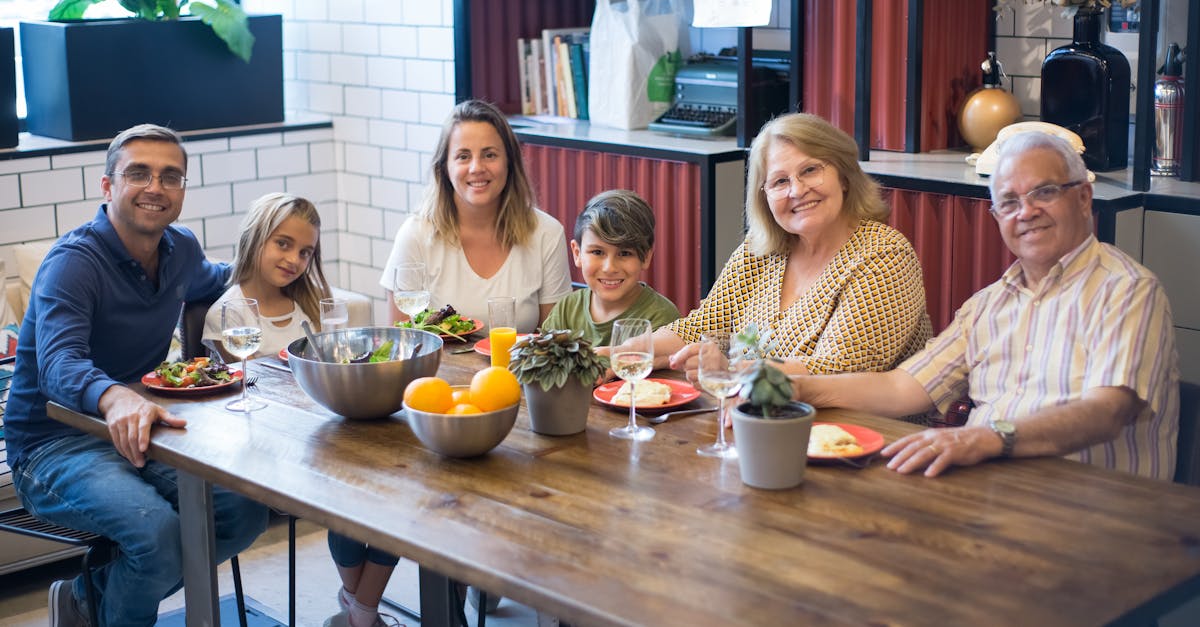
Even as a college student, I still host weekly family meals when I return home. The same grocery list that feeds my dorm can support a larger family table, and K-State Extension reports that households practicing shared meals see higher family-bond scores (K-State Extension).
Creating a rotating menu - Monday tacos, Wednesday stir-fry, Friday sheet-pan dinner - helps streamline shopping and reduces duplicate ingredient purchases. Joint clean-up routines teach responsibility without extra cost, and students learn portion control by scaling recipes up or down.
Teaching younger siblings budgeting skills while cooking together reinforces the habit of planning meals ahead. I show my cousin how to measure rice portions, compare unit prices, and store leftovers safely. This knowledge passes down, creating a generational blueprint for healthy, affordable eating.
Common Mistake: Assuming family meals must be elaborate. Simple, well-balanced dishes can be just as satisfying.
By integrating family meals into a student’s routine, you build culinary confidence, strengthen relationships, and keep expenses low - an all-around win for the household.
Glossary
- Macro intake: The total amount of protein, carbohydrates, and fats consumed.
- Batch cooking: Preparing large quantities of food at once to use throughout the week.
- Minimalist meal planning: A strategy that limits menu options to reduce decision fatigue.
- One-pan meal: A dish cooked using only one cooking vessel.
- Edible scraps: Parts of vegetables that are often discarded but can be used for broth or flavor.
FAQ
Q: How much can I really save by cooking at home instead of eating at the cafeteria?
A: Based on typical campus pricing, a home-cooked meal costs $2-$4, while a cafeteria plate runs $6-$8. Over a semester, that difference can add up to $150-$300 in savings, especially when you batch cook and reuse leftovers.
Q: What equipment do I really need in a dorm kitchen?
A: A good knife, a cutting board, a non-stick skillet, and a small pot are enough. An instant-pot or a sheet pan adds versatility, but you can create nutritious meals with just the basics.
Q: How do I keep my meals healthy without spending a lot of time?
A: Focus on one-pan recipes that combine protein, vegetables, and a whole grain. Use simple cooking methods like steaming or baking, and flavor with herbs and spices instead of heavy sauces. Prep ingredients once a week to cut daily cooking time.
Q: Can I still eat well on a tight student budget?
A: Yes. Buying staples in bulk, using seasonal produce, and repurposing edible scraps dramatically lower costs. Batch cooking on weekends provides ready-to-eat meals, preventing expensive impulse purchases at the cafeteria.
Q: Does cooking at home really improve heart health?
A: Dr. Jeremy London found that regular home cooking can cut cholesterol by about 20 percent. Cooking methods like steaming and baking keep sodium low and preserve nutrients, reducing long-term heart disease risk.