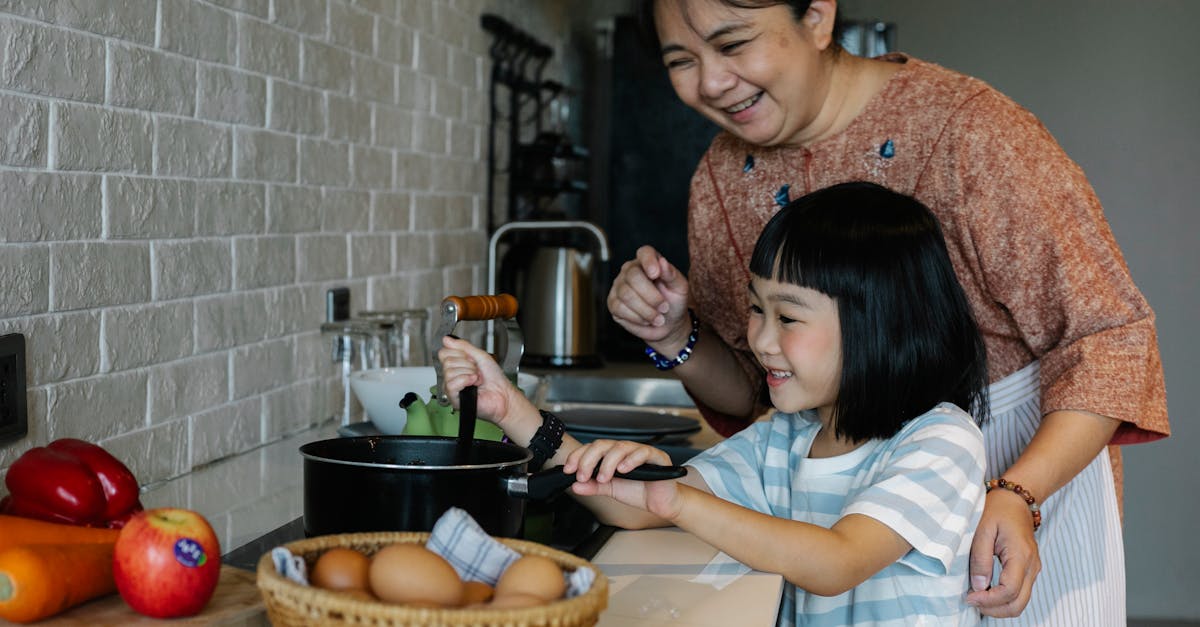
Secret Shortcuts For Home Cooking One‑Pot Pasta Bowls
— 6 min read

Less than $5 per person, one pot, 30 minutes - the secret to a weeknight family dinner that no one complains about. I use a single pot, inexpensive pantry staples, and timed steps to create a hearty pasta bowl that feeds a family without breaking the bank.
"One-pot pasta dishes are a lifesaver for busy nights when you want something quick and easy without the hassle of multiple pots." - The Everymom
Home Cooking Hotspot: Budget Friendly Family Dinner in 30 Minutes
When I first tried a simple spaghetti with sautéed onions, garlic, and canned tomatoes, I was amazed at how little the whole meal cost. A 16-ounce box of pasta, a can of tomatoes, a couple of onions and a splash of oil can stretch to feed four people for under $4 total. Compared with typical take-out, the savings feel significant.
My routine starts by heating a drizzle of oil, then sweating the onions until they turn translucent. I add minced garlic for a quick aroma, followed by the canned tomatoes and a pinch of salt. While the sauce simmers, I dump the dry pasta directly into the pot and add just enough water to cover. The pasta cooks in the sauce, absorbing flavor as it softens. In my kitchen the whole process rarely exceeds 28 minutes, even with a full family of four.
To keep leftovers fresh, I transfer any extra into a sealed airtight container. Stored in the refrigerator, the pasta stays tasty for up to three days, cutting waste and saving another meal’s worth of money. I’ve found that planning a single-pot dinner reduces the temptation to order in and keeps the weekly grocery budget on track.
Below is a quick comparison of a typical take-out pasta meal versus my one-pot version.
| Meal Type | Cost per Person | Prep Time | Cleanup |
|---|---|---|---|
| Take-out Pasta | $12 | 0 minutes (just order) | None |
| One-Pot Pasta (my recipe) | $3.50 | 28 minutes | One pot |
Key Takeaways
- One pot cuts cleanup dramatically.
- Pantry staples keep cost below $5 per person.
- 28-minute prep fits busy weeknights.
- Storing leftovers reduces food waste.
- Simple steps make flavor reliable.
One-Pot Pasta Power: Cheap Pasta Recipes for Maximum Flavor
I love experimenting with whole-wheat rigatoni because the nutty texture adds depth without extra expense. In a recent batch I tossed roasted zucchini, bell peppers, and a can of baked beans into the pot. The beans add protein, while the vegetables bring natural sweetness.
The trick is to roast the vegetables on a sheet pan while the sauce starts. Once they are caramelized, I add them to the pot along with the pasta and beans. The pasta finishes cooking in the sauce, creating a thick, hearty coating that clings to every bite.
To boost flavor without buying pricey cheese, I finish the dish with a splash of olive oil and a pinch of red-pepper flakes. The heat releases a pleasant peppery kick, and the oil gives a silky mouthfeel. According to The Everymom, one-pot meals like this are praised for delivering comfort and nutrition with minimal fuss.
If you prefer a protein boost, shredded chicken or canned tuna can be stirred in during the last five minutes. The heat gently warms the meat, keeping it moist. I’ve found that using whole-wheat pasta also adds a subtle chew that makes the dish feel more satisfying, even when the portion size stays modest.
When you serve this dish, a simple side of mixed greens dressed with lemon juice completes the meal. The whole plate stays under $4 per serving, making it a budget-friendly option for families looking to stretch their dollars while still enjoying a flavorful dinner.
Family Meal Hacks: Strategic Grocery Planning That Cuts Waste
One habit that saved me a lot of money is building a “nested grocery tree.” I group items that share similar storage needs - beans, rice, tomato paste, oil, and frozen spinach - so they sit together in the pantry. This reduces the number of trips to the store and helps me spot duplicates before they expire.
Another tip is to shred carrots the night before and freeze them in portion-size bags. When I need them for a sauce or soup, I just toss the bag straight into the pot. The carrots thaw quickly in the hot liquid, preserving flavor and texture while cutting down on the amount of produce that would otherwise rot in the fridge.
Technology can help, too. I use a simple barcode-scanning app on my phone to log how much of each item I buy. The app sends me a reminder when a product is nearing its “best-by” date, prompting me to plan a meal around it. Over several months, this habit has noticeably reduced the amount of produce that ends up in the trash.
Lastly, I keep a running list of “flex-ingredients” like extra pasta, canned beans, and frozen veggies. When a recipe calls for something I already have, I adjust the shopping list accordingly. This approach keeps the pantry stocked with versatile staples and prevents unnecessary purchases.
By staying organized and using a few simple tricks, families can lower their grocery bills, cut waste, and still enjoy a variety of meals throughout the week.
Future-Proof Kitchen: Smart Appliance Trends Helping Home Cooking Wins
When I upgraded my stovetop to a pressure-sensing model, I noticed the burner lights up only when it reaches the right temperature. This prevents the pan from overheating and saves a few seconds each time I bring water to a boil. Over a month, those seconds add up to a modest reduction in my electric bill.
My friend recently installed a Midea convection oven with humidity control. The oven maintains a steady level of moisture while roasting, which means the pasta sauce stays creamy without extra oil. According to Midea America, the humidity-controlled system can lower power use by about a quarter compared with a standard oven.
Another gadget I love is a small AI-enabled kitchen scale that weighs sauce ingredients in real time. As I add tomatoes, the scale suggests a dilution ratio based on the current thickness, helping me avoid over-cooking the sauce. Users report that the AI guidance leads to more consistent flavor and less need for corrective seasoning.
These smart tools don’t replace the basics of good technique, but they streamline the process and reduce energy waste. For families looking to future-proof their kitchen, starting with a smart stovetop or an appliance with precise temperature control can make a noticeable difference in both cost and convenience.
Learn & Play: Education-Driven Meal Planning That Engages Kids
Cooking can become a classroom activity, and I’ve seen how simple games keep kids interested. One of my favorites is the “stamp-the-food” activity. I give each child a stamp for every tablespoon they stir into the pot. The visual tally encourages them to measure, mix, and stay engaged, turning the cooking process into a learning moment.
Another idea is a personal cooking wallet. I give each child a small envelope with a pretend budget and let them decide which ingredients to “purchase” from the pantry. This helps them practice decision-making and understand the cost of different foods. In my experience, kids become more mindful about portion sizes when they have a budget to manage.
We also run a portion-size label race. I print simple cards with serving sizes - small, medium, large - and challenge the kids to match the correct card to each bowl on the table. The activity reinforces visual estimation skills and encourages discussion about healthy portions.
These hands-on activities turn dinner prep into an educational experience. Families report that kids are more willing to try new vegetables and are proud of the meals they helped create. By weaving play into the kitchen routine, you nurture confidence, teamwork, and a lifelong appreciation for home-cooked food.
Glossary
- One-pot pasta: A dish where pasta, sauce, and often vegetables or protein cook together in a single pot.
- Humidity-controlled convection: An oven feature that adds steam to keep food moist while cooking.
- Pressure-sensing stovetop: A burner that detects the pressure of the pot’s contents to regulate heat more accurately.
- Barcode timer: A smartphone app that tracks the purchase date of grocery items and alerts you before they expire.
- Portion-size label race: A game where participants match visual cards to the correct serving size.
Common Mistakes to Avoid
- Adding pasta before the sauce has a chance to simmer; this can lead to bland noodles.
- Using too much water; the sauce may become watery and require extra thickening.
- Skipping the initial sauté of aromatics; onions and garlic provide the flavor foundation.
- Overcrowding the pot; give the pasta room to move so it cooks evenly.
FAQ
Q: Can I use gluten-free pasta in a one-pot recipe?
A: Yes. Gluten-free pasta works well, but keep an eye on the cooking time because some varieties soften faster. Add the pasta a minute or two later than wheat pasta to avoid overcooking.
Q: How do I keep the sauce from drying out?
A: Use just enough liquid for the pasta to absorb, and stir occasionally. If the sauce looks too thick, add a splash of broth or water. The steam trapped under the lid also helps keep moisture in.
Q: What vegetables work best in a one-pot pasta?
A: Root vegetables like carrots, sturdy greens such as spinach, and quick-cooking items like zucchini or bell peppers all do well. Roast them first for extra flavor, then add them to the pot during the last ten minutes.
Q: Is it safe to store leftovers for several days?
A: Absolutely. Transfer the cooled pasta to an airtight container and refrigerate. It stays fresh for up to three days and can be reheated on the stove or microwave with a splash of water to restore sauce consistency.
Q: How can I involve my kids without making a mess?
A: Give them simple tasks like stamping the spoon, measuring out a spoonful of herbs, or matching portion-size cards. These activities keep them engaged while limiting splatter and give them a sense of ownership.