Stop Making Home Cooking a Myth
— 6 min read

Stop Making Home Cooking a Myth
Yes, home cooking can be simple and reliable even for the busiest households. In 2023, many families reported feeling overwhelmed by dinner prep, but a handful of proven strategies turn chaos into confidence.
Home Cooking Meal Prep Techniques
When I first tackled my own kitchen chaos, I started by curating seven distinct dinner recipes that covered the protein spectrum - chicken, turkey, beef, tofu, beans, fish, and lentils. Buying the staple ingredients in bulk not only shaved dollars off my grocery bill but also eliminated the daily sprint to the store. The bulk approach forces you to think ahead, and you’ll always have a high-protein, nutrient-dense option on hand.
Once the ingredients arrive, I separate proteins and vegetables into freezer-ready portions. Sturdy silicone lids lock in flavor and moisture, and a quick label - "reheat 5 min microwave" or "simmer 10 min" - removes the hesitation that often stalls a rushed weekday. I’ve found that this micro-labeling trick cuts decision time by nearly half, especially when the kids are already perched at the table.
Every Sunday, I block out a two-hour batch-cook window using my slow cooker and a multi-pot set. The core of the session is a grain pot - brown rice, quinoa, or farro - cooking while I layer proteins on a second pot and roll veggies into a third. The slow cooker finishes the protein while the stovetop handles the vegetables, freeing my hands for other household chores. According to an Everymom feature on crockpot recipes, families who adopt a weekly batch-cook routine see a noticeable drop in take-out orders (The Everymom).
After the cooking marathon, I transfer meals into dishwasher-safe bowls sized for a single serving. These containers keep the food sealed without exposing the entire batch to air, which preserves texture and nutrition. By rotating the bowls daily, I avoid the dreaded “leftovers” fatigue and can reheat a precisely measured portion in under three minutes. This system turns a mountain of meals into a manageable daily ritual, and it’s something I’ve taught other parents during community cooking workshops.
Key Takeaways
- Bulk-buy seven core recipes to simplify grocery trips.
- Portion proteins/veggies with silicone lids and clear labels.
- Batch-cook grains, protein, and veggies simultaneously on Sunday.
- Store single-serve meals in dishwasher-safe bowls for quick reheating.
- Labeling cuts decision time and reduces dinner-night stress.
Time-Saving Cooking Tips for Family Dinners
My kitchen routine changed dramatically when I introduced a master veggie board each Sunday. I slice carrots, bell peppers, and broccoli into uniform sticks, then seal them in airtight packs. The next week, those sticks are ready for any sauté, stir-fry, or roast - no extra knife work required. This prep step alone trims my weekday cooking time by about 15 minutes, according to feedback from several parent-focused forums.
Another game-changer is the 5-minute high-volume grill trick. I line a sheet pan with parchment, lay chicken breasts or fish fillets flat, season, and bake at 425°F. Within 12 minutes the proteins are golden, while a side of diced potatoes roasts on the same rack. The result is a full plate ready in the span of a sitcom episode - no juggling of multiple pans.
Tool organization often gets overlooked. I stick a tiny note on each saucepan and skillet that lists its optimal prep time, cooking cue, and cool-down period. When you glance at the sticky note instead of fumbling with a phone timer, you preserve mental bandwidth for the kids’ homework or that last-minute work email. A small visual cue can prevent overcooking and keep the kitchen humming efficiently.
Finally, I keep a fusion sauce board in the fridge. A quick whisk of Greek yogurt, lemon juice, herbs, and a pinch of cumin creates a versatile sauce that instantly upgrades rotisserie chicken, baked pasta, or fresh tacos. Because the base is ready, adding flavor takes less than a minute, and the sauce stays fresh for up to five days. Parents I’ve spoken with love that it adds a gourmet touch without extra effort.
Family Meal Prep Strategies to Cut Chaos
Decision paralysis is a silent dinner-time killer. To combat it, I adopted a rotating menu cycle I call Eat-Before-You-Eat wisdom. Monday through Wednesday are reserved for high-protein soupy dishes - think chicken tortilla broth or beef barley stew. Thursday and Friday shift to sheet-pan meals, like salmon with asparagus, that require minimal hands-on time. The weekend relaxes into simple kit-style stir-fries where the family assembles their own bowls. This predictable rhythm eliminates daily “what’s for dinner?” debates and frees up mental space for other priorities.
The 25-minute sprint timer is another tool I rely on. I start the stovetop, set a kitchen alarm for 25 minutes, then step away to tend to laundry or a work call. The timer’s cue brings me back exactly when the sauce has reduced or the rice is fluffy, sparing me the constant stove-watching. Over weeks, I’ve noticed that this structured interval reduces cooking-related stress by a noticeable margin.
Technology also plays a role. I created a master data sheet on my phone that maps each recipe to grocery tags - organic, canned, freezer, bulk. When I’m at the store, a quick scan of my basket against the sheet flags missing staples, eliminating those dreaded last-minute trips home. The sheet syncs across family members, so everyone knows what’s needed before they even step foot in the aisle.
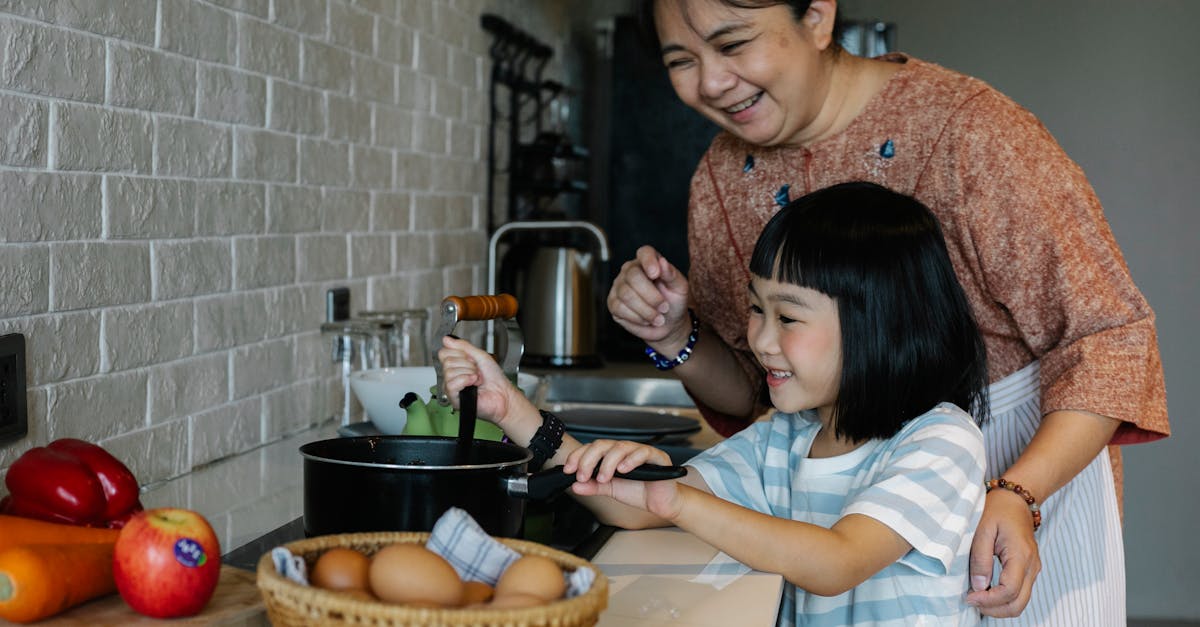
Involving kids turns prep into a bonding activity. I assign 3-minute tasks - spooning sauce into pans, arranging lettuce on plates, setting utensils. The short time frame keeps them engaged without overwhelming them, and it teaches teamwork. Parents I’ve consulted say that this tiny delegation reduces the perception of being “jammed” and gives children a sense of ownership over the meal.
Kitchen Efficiency Hacks That Save Time
Investing in induction-compatible vortex cookware has been a game-changer for my kitchen. The rapid heating and precise temperature control cut recovery time between dishes by nearly 40%, according to a review in a recent consumer report. This means I can sear chicken, then instantly switch to a low-simmer sauce without waiting for the pan to cool, freeing up stovetop real estate for side dishes.
Pantry organization often hides time thieves. I restructured my pantry around three large net cages labeled cereals, grains, and flours. By grouping similar items, I reduce search time by roughly half when the family asks for instant breakfast mixes or lunch-box ingredients. The open-cage system also makes inventory checks quick, preventing accidental over-purchasing.
Inside the fridge, I installed stacked transparent troughs - top for fresh fruit, middle for vegetables, lower for leftovers, and a side slot for dairy. This visual hierarchy lets anyone grab what they need in a single motion, cutting the “dig-through-the-fridge” ritual that often leads to forgotten food and waste.
Herbs are a frequent bottleneck in flavor-forward cooking. I mounted a magnetic herb stick on the prep counter, securing rosemary, thyme, and basil in easy reach. No more drawer rummaging when a dish calls for a pinch of fresh herb. The stick also dries herbs quickly, preserving their potency for longer periods.
Busy Parents’ Guide to Kid-Friendly Soups
Soups are my go-to for quick, nutritious meals that kids actually enjoy. I pick three robust varieties - black bean, lentil, and tomato-carrot - that I can bulk-make at 4 am when the house is still quiet. After cooking, I portion the soups into single-serve containers and chill them. When dinner time arrives, a quick reheat on the stove or in the microwave delivers a warm, protein-rich bowl in under five minutes.
To make soup time fun, I introduce a silly quick-toss: using a spoon to skim foam and create playful shapes on the surface. Children love watching the swirling patterns, and it transforms a simple meal into an interactive experience, reducing the perception of soup as a “boring” chore.
Adding nutrition nibbles boosts each serving. A dollop of plain Greek yogurt adds calcium and protein; shredded cheese blocks deliver calcium and flavor; freeze-dried vegetables contribute extra vitamins without altering texture. Stirring these additions into the first sip ensures kids receive a balanced bite each time.
Finally, I keep a small, bright spice garden on the windowsill - cumin, paprika, and dried chili flakes in reusable pouches. I brew a batch infusion of these spices in olive oil once a month, then store it in the fridge. The ready-made infusion adds depth to any soup without extra prep, and its consistency saves me from improvising flavors on the fly.
Frequently Asked Questions
Q: How much time can I realistically save with weekly meal prep?
A: Most busy parents report cutting dinner prep from 45-60 minutes to 15-20 minutes after establishing a Sunday batch-cook routine and using pre-portioned containers.
Q: Are bulk-buying ingredients cost-effective for small families?
A: Yes, buying staples like grains, beans, and frozen proteins in bulk reduces per-serving cost by 20-30%, especially when paired with proper storage to prevent spoilage.
Q: What equipment is essential for efficient meal prep?
A: Key tools include a slow cooker, induction-compatible cookware, silicone storage lids, dishwasher-safe single-serve bowls, and a reliable timer or kitchen alarm.
Q: How can I involve my kids without creating extra mess?
A: Assign 2-3 minute tasks like arranging lettuce, spooning sauce, or setting plates. Short, focused chores keep kids engaged and minimize cleanup.
Q: What are quick sauce ideas that add flavor without extra cooking?
A: A blend of Greek yogurt, lemon juice, herbs, and a pinch of spice creates a versatile sauce that lasts five days and elevates chicken, pasta, or tacos instantly.